
How to Film Soccer Games and Keep the Action in Frame
Keep soccer play visible with a stable halfway-line view, smooth pans, outdoor preparation, and a check of both halves before publication.
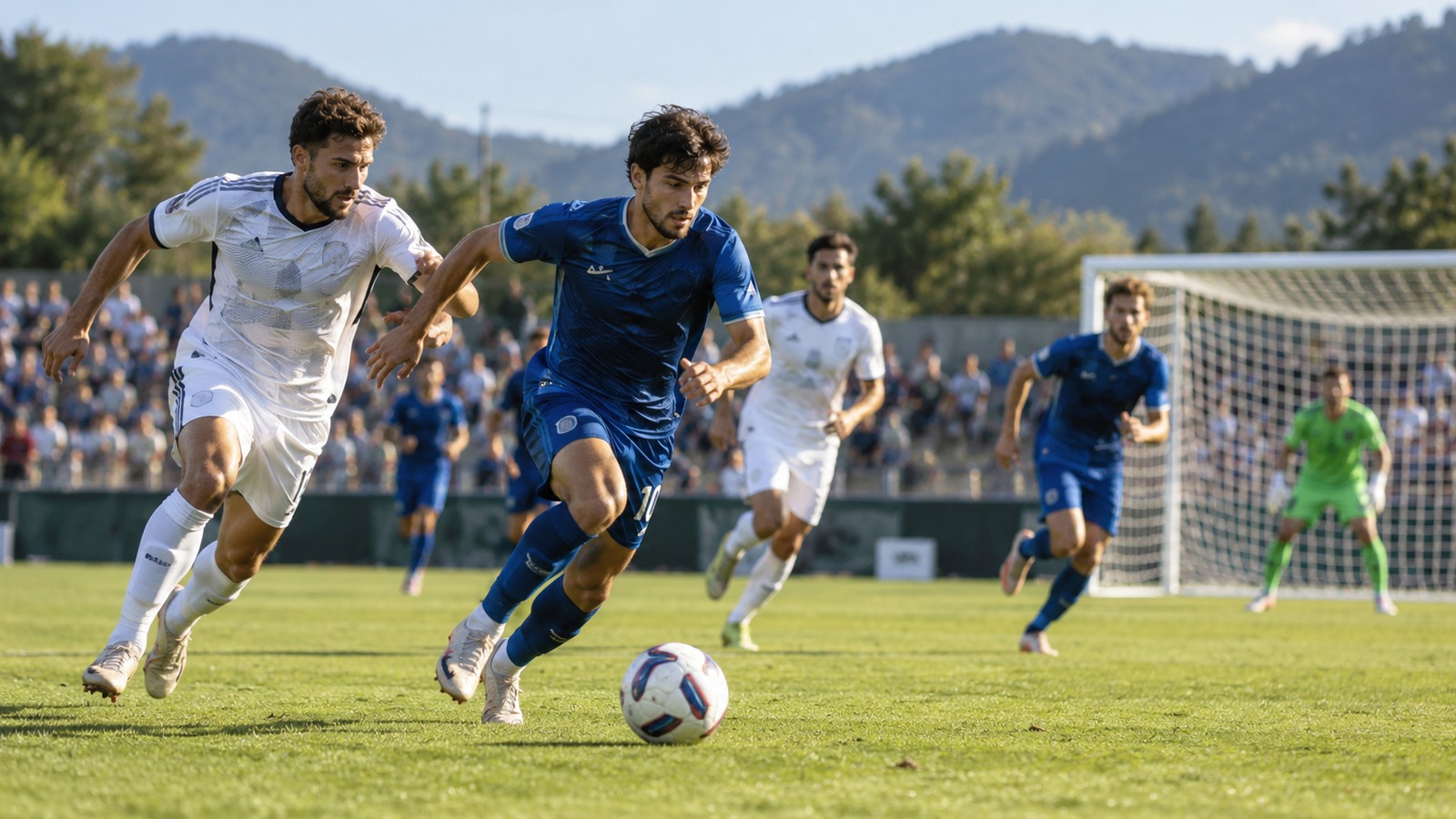
Soccer challenges a camera operator because the ball can travel a large distance before the next touch. A useful recording leaves room for that movement. The aim is a watchable record of the match, with enough context to see passes, runs, and defensive shape.
Set up for both halves
Choose a permitted position near the halfway line when possible. Check the full view toward both goals, including the far touchline and corners. A camera location that looks good during warm-ups may become obstructed when substitutes, staff, or spectators take their places.
Look at the sun and weather before setting the equipment. If you can choose between approved positions, avoid shooting directly into strong low sunlight. Keep the horizon level and secure the mount. Do not move equipment into restricted areas or onto the field to improve the angle.
Anticipate passes without guessing the outcome
Use a wide enough frame to show the player in possession and nearby options. Leave space ahead of a developing attack. Begin a smooth pan when play changes direction instead of making a fast correction after the ball leaves the screen.
Long passes are a reason to maintain context, not to zoom closer. If you temporarily lose the ball, widen the view and recover calmly. Repeated zooming and sudden direction changes can make the recording harder to watch than a consistently wider shot.
Keep recording through restarts
Set pieces and quick restarts can begin before an operator expects them. Keep attention on the field during stoppages and record enough lead-in to show the setup. At halftime, note which team is attacking each end so an editor can understand the sequence later.
For coaching footage, ask whether the priority is the whole team shape or a smaller area around the play. One camera cannot always show fine player detail and every off-ball movement simultaneously. State the limitation rather than promising a complete tactical view from an unsuitable location.
Prepare for an outdoor match
- Test battery life and available storage before kickoff.
- Use suitable weather protection without blocking ventilation or the lens.
- Keep the tripod stable and away from spectator routes.
- Check the image after light conditions change.
- Record any missed period or obstruction in the match notes.
Before sharing, review both halves, a fast transition, and footage near each goal. Make sure the title identifies the correct teams, age group, and date. Preserve original files before making social edits.
If you are working with a phone, start with our smartphone filming guide. Then use the season archive guide to keep the full recording available after highlights have been published.