
How to Record Football Games Without Missing the Play
Plan a football recording from formation through the whistle, with clear segment notes and checks that protect the full game record.
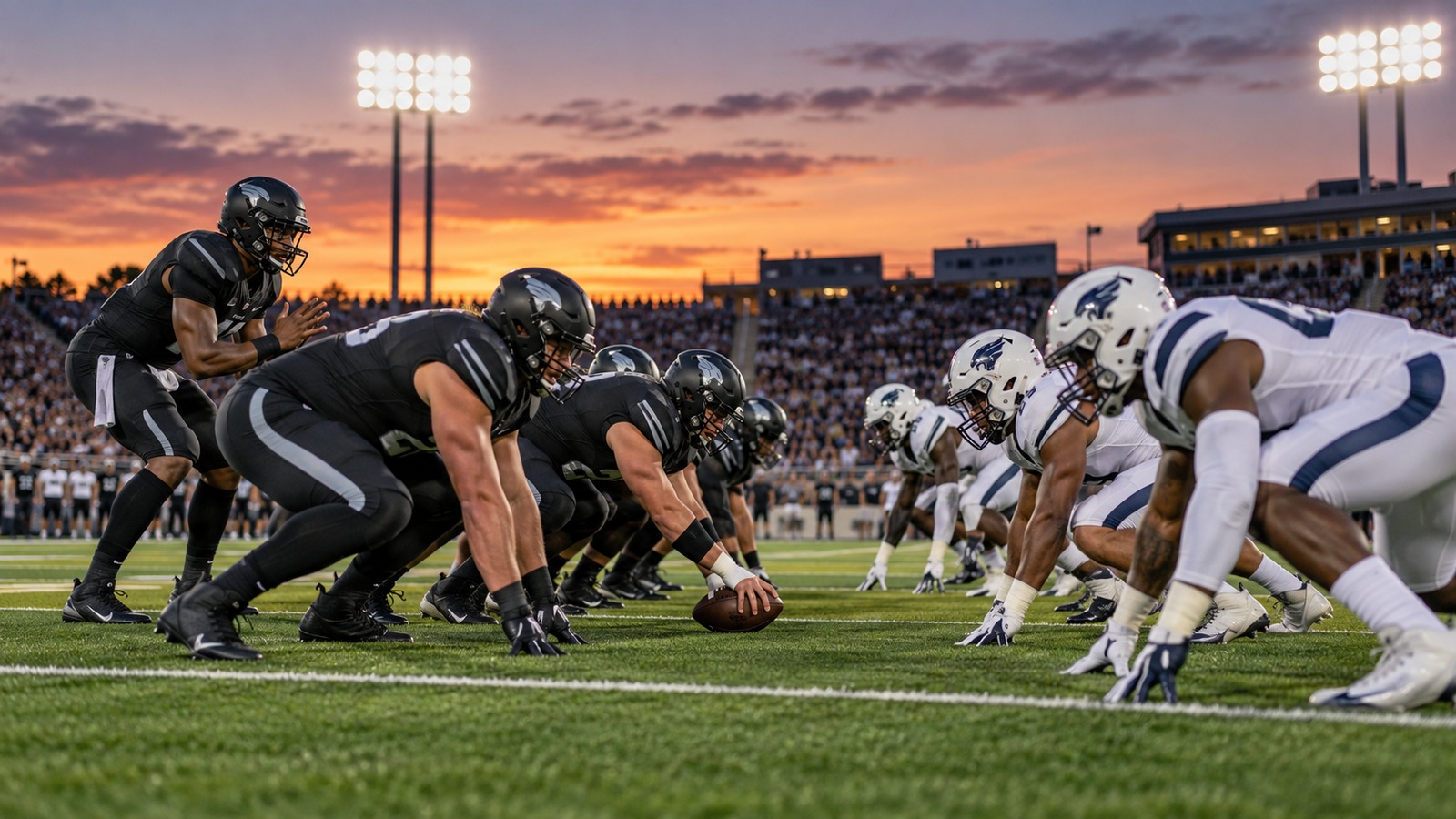
Football footage is most useful when the viewer can understand a play from formation through its result. Tight shots of the ball carrier can miss blocking, routes, and defensive movement. Begin by agreeing whether the recording is intended for spectators, team review, or a more specific coaching purpose.
Plan the view with the staff
Ask the coach what the footage needs to show and confirm the venue's permitted camera position. A central sideline view with approved elevation can provide useful coverage, but do not improvise access to press boxes, roofs, or camera platforms. If an additional angle is needed, arrange it through the organizer and use a separate operator.
Before kickoff, test framing near both ends of the field. Check what happens when teams, officials, or spectators stand in front of the camera. Leave room in the image for the formation and the likely direction of play.
Start before the snap
Begin a play recording early enough to show the formation and any motion. Stay wide while the play develops, then move smoothly to retain the relevant action. A ball-centered close-up can lose receivers or the wider defensive response. When unsure, preserve a view the coaching staff can interpret rather than guessing which player will finish the play.
Continue beyond the whistle long enough to capture the result and make the sequence understandable. Avoid stopping during a possible continuation of play simply because the crowd reacts. For a complete replay, also preserve the event's continuity and note any breaks between files.
Keep segment notes
Use a simple log with quarter, approximate game-clock time, original filename, and any issue. If the camera stops during a drive, record the gap immediately. When multiple people operate the camera, use the same naming convention and agree who copies the files afterward.
A practical note might read: “Second quarter, recording interrupted after the timeout; next file resumes before the following snap.” This is more useful than discovering two unlabeled clips on an editor's drive.
Manage long-event risks
Check battery, storage, weather protection, and tripod security during scheduled breaks. Keep bags and cables clear of access routes. Bring an appropriate backup plan for equipment failure, while recognizing that a spare camera is useful only if someone knows how to operate it.
After the game, review the beginning and ending of every segment and several complete plays. Confirm the order before exporting or uploading. Mark an incomplete recording clearly; do not describe it as a complete game without checking.
Our game-film organization guide helps keep quarters and versions straight. For the finished publication, compare full replays and highlights so viewers know exactly what each upload contains.