
How to Record Clear Audio for Sports Interviews
Improve sports interview sound through location choice, microphone checks, thoughtful questions, monitoring, and a careful final review.
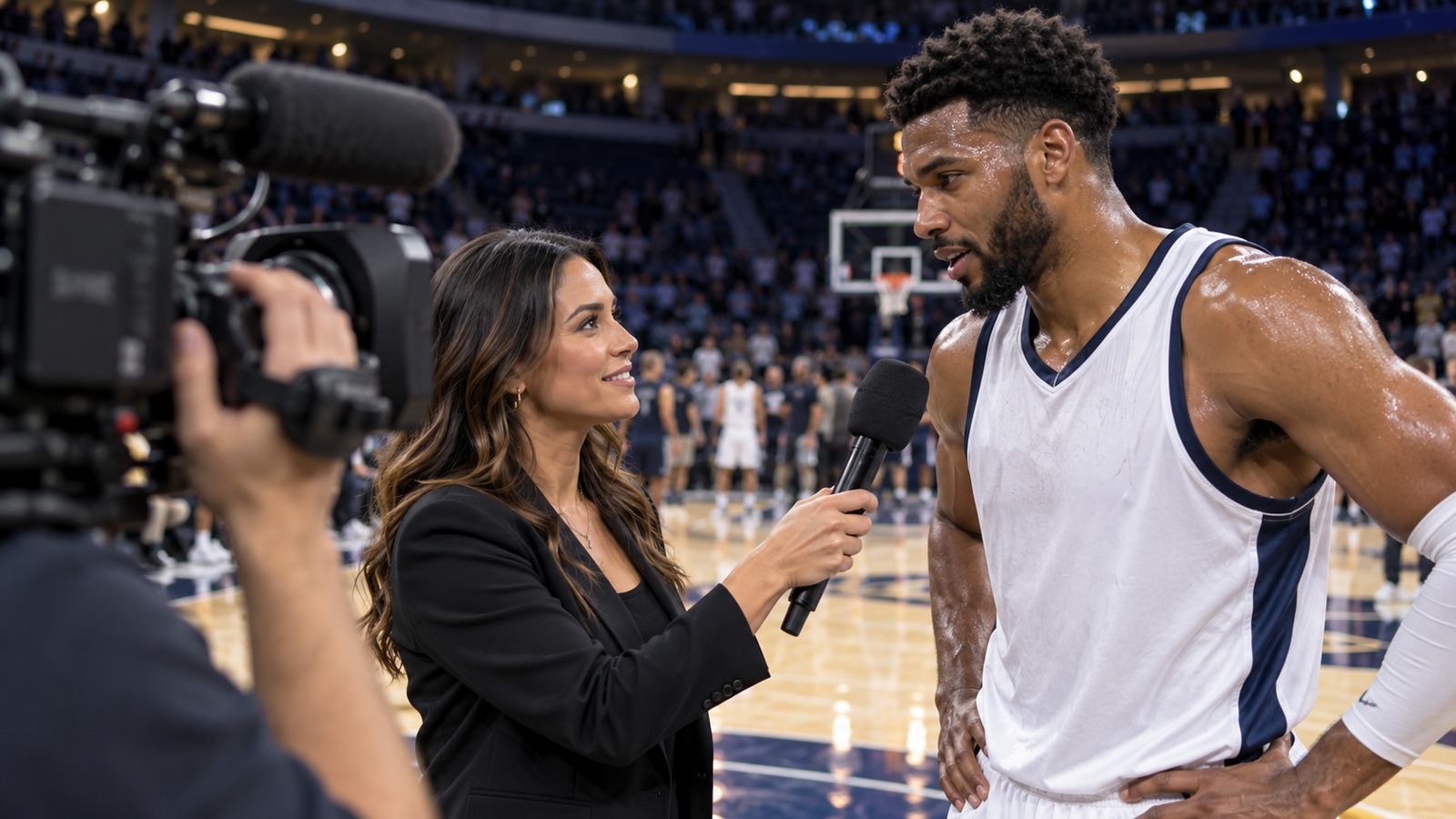
An interview can have a strong picture and still be difficult to follow if the speaker is buried under crowd noise. Clear audio begins with choosing the location and checking the microphone before the conversation starts. Editing can improve a recording, but it cannot reliably reconstruct words that were never captured clearly.
Move the conversation away from the loudest area
Find an approved spot away from speakers, traffic, and groups waiting to talk. Listen for ventilation, wind, music, and echoes. A location that looks quiet on camera may sound very different through a microphone.
Do not isolate an interviewee in a way that conflicts with team safeguarding practices. For youth participants, follow the organizer's approval and supervision process. Agree on who is being interviewed, where the conversation will be published, and who can stop or review it under the team's procedure.
Place and test the microphone
Use a microphone compatible with the recording device and confirm that it is actually selected. An attached microphone is not proof that the phone or camera is recording from it. Record a short answer, then listen through headphones.
Keep a handheld microphone at a consistent distance without crowding the speaker. With a clip-on microphone, check for clothing rub and cable movement. Outdoors, use suitable wind protection and listen to the test rather than assuming a foam cover solves every problem.
Give the interview room to breathe
Ask one question at a time and let the speaker finish. Avoid talking over answers or giving constant verbal encouragement beside the microphone. Ask for a full sentence when an answer depends on a question the final viewer may not hear.
For example, replace an unexplained “yes” with “What changed in the second half?” Do not coach someone into a claim or quote that does not reflect their experience. If a factual detail is uncertain, check it later instead of making the answer sound definitive through editing.
Monitor and review
Listen during the interview when the equipment allows it. If a horn or announcement covers an answer, pause and ask the speaker to repeat it naturally. Record a few seconds of the location's background sound for editing, while avoiding unnecessary capture of private nearby conversations.
Before publication, check names, team details, audio consistency, and captions. Review any background music for appropriate permission. Publish a transcript or other useful text context when your workflow supports it; the W3C guide to accessible media is a useful reference for planning.
Use our interview-series plan to prepare questions and a repeatable format, then follow the beginner editing workflow to produce a clear final version.